Showing posts with label performances. Show all posts

Tuesday, July 26, 2022

Storytelling Cities: Return to the Story Marathon


After two weeks of rehearsals we said goodbye to Sigüenza, and on a Thursday we drove over to Guadalajara. We arrived around five in the afternoon, and didn't waste much time lazing around: we left our stuff at the hotel, and immediately headed to the theater for one last rehearsal. The Teatro Moderno is the venue for the featured stage performances during the Marathon; for these, people have to purchase separate tickets, and due to the popularity of the shows, and the 30 year history of the festival, they are almost always sold out.

While in Sigüenza we had a nice 27-28 degree weather the whole time, Guadalajara greeted us with scorching summer heat. The theater was a bit cooler. After rehearsal we headed to the city hall to meet the (very kind and friendly) Mayor, for the signing of the official founding document of the European Network of Storytelling Sites and Towns. It was an exciting, delightful moment.


After the formalities were done, we gathered on the terrace of a restaurant, having a drink before dinner. From there, we could see the open-air exhibit of all the posters of the past 30 Marathons (see the pictures above). This is where I finally felt like I have arrived: after ten years, I was in Guadalajara once again. It made me giddy.

Friday morning we had another rehearsal. Pepito wanted us to rehearse in the afternoon as well, but we gave him the puppy dog eyes until he gave us the rest of the day. At five, we went to the palace courtyard to witness the opening ceremonies. The Marathon was opened by the Mayor himself, who delivered a short speech, and then told a Ukrainian fairy tale. Entirely by heart, like a real storyteller (with the Ukrainian name of the hero written on his palm, just in case, which I think was adorable). It was the perfect opening. He was followed by various school groups on stage, equally lovely.

After a while, with the Marathon up and running, we walked out of the palace to browse books at the marketplace (yes, I bought quite a few). From there, we headed out to have a drink of lemonade, and then moved on to the courtyard of a local school for the evening "Unheard Storytellers" show, where new performers are introduced every year. It was Susana's idea, and it was a good one. Not only because we heard amazing storytellers (among them my personal favorite was Sandra Rossi), but also because most of the Marathon's tellers were in the audience, checking out the newcomers. The mood was friendly and familiar.


(Spanish organizations have left FEST a few years ago, and I have missed them sorely ever since. I loved meeting Spanish tellers at conferences, and I finally got the chance to hang out with them again. Guadalajara, during the Marathon, is home to us all: storytellers are walking the streets, sitting in the cafes, lingering in the doorways, always steeped in excited conversation. I love it.)

Saturday morning we had one very last rehearsal at the theater. After that, I had time to run to the bookstore and buy more books, and then we decided to sit in on the theater shows before our own. They were all full house, and they were totally worth it. My favorite was Eugenia Manzanera's performance, who was witty, funny, and entirely enchanting.


While the last (musical) show was happening on stage, we all moved backstage to get ready. We were excited and a bit nervous - but our performance went really well. The audience was lovely. No one can wish for a better audience than a full house in Guadalajara: they applaud, they cheer, they laugh, they sing along with us, they answer every question. While we were on stage, I kept thinking we should have put more interaction into our show. This would have been the perfect audience to play with.

Our show started at nine in the evening, and we left the theater around eleven, in a very good mood: laughing, singing, accepting many warm congratulations. And this was not the end of the day yet: after a lovely dinner at the library, we headed over to the palace once again, for nighttime storytelling on the Marathon's main stage. For me, this was the hardest part of the festival: I usually go to bed around 10pm. This time, I was on stage, telling in Spanish, at 2am. Now I know I can tell in Spanish even when I am half asleep... But it was worth it. The Guadalajara audience, even after midnight, was cheerful, friendly, and surprisingly alert. I loved playing with them.

After passing out late at night, we only had one last day to go. In the morning we gathered in a conference room in the palace for a round table discussion. The audience was made up of some very sleepy storytellers, but we have a lovely conversation about our experiences, the project, and storytelling in general. This was what closed the festival for us. Those of us who were not heading straight to the airport went back to bed in the afternoon. In the evening, we gathered one last time for dinner, drinks, and conversation.

It was incredible to be in Guadalajara once again, after ten years. It's one of my favorite storytelling festivals in the world. I immersed myself in stories, in the company of fellow storytellers, and the beauty of the Spanish language. I was absolutely privileged to participate in the performance project, and work with a great group of tellers under Pepito's direction. I was proud of the show we got to bring to the stage in Guadalajara. I hope I won't wait another ten years before returning...

Monday, July 25, 2022

Storytelling Cities: 8 storytellers, 6 countries, 3 weeks, 1 show

This spring I participated in an incredible European storytelling project.

I traveled to Sigüenza, Spain, on May 26th to take part in a project organized by Spain, Italy, France, and Slovakia. These four countries have created a collaboration named the European Network of Storytelling Sites and Towns (ENST). Since Spain was represented by the same organization that also organizes the Maratón de Cuentos in Guadalajara, part of the network's inauguration was a project within a project: getting storytellers together from all the countries and creating a multicultural, multilingual stage performance for the Maratón.

Each country delegated tellers. I was invited along by Bohdan Ulasin from Slovakia, whom I met in Guadalajra at the Misterios de Europa conference ten years ago. The lineup of our colorful team was as follows: Pepito Matéo (France), Clara Zénoun (France), Julien Tauber (France), António Fontinha (Portugal), Bohdan Ulasin (Slovakia), Roberto Anglisani (Italy), Susana Tornero (Spain), and yours truly (Hungary). Seven of us participated in the performance, and Pepito took on the role of director.

We had two weeks to put the entire show together. As soon as I stumbled into the hotel on May 26th, we immediately headed to the theater to start rehearsing. We worked hard all day almost every day, until June 8th, when we had our premiere in Sigüenza. The next day, we packed up, and headed to Guadalajara for the Maratón, to prepare for the big show.

The performance we created was whimsically titled "Il était una vez jeden utopická viaggio a történeteken keresztül em seis línguas" - and this title reflects the actual creative process. All of us selected short tales ahead of time, translated them to all the other participating languages, and selected the ones we wanted to include in the show. Pepito created an outline that we got to fill with stories, songs, rhymes, and playful interactions as we went along.

Our common language was Spanish. It took me a few days to switch my brain over to it (in my everyday life I only have the chance to read and watch TV in Spanish), but once it happened, I loved the opportunity to speak it, and listen to the others. Our little team had a whole lot of languages in common: multiple people understood French, Italian, and even English, although we barely ever spoke the latter. After a few days, we were all speaking some strange pan-Mediterranean mixed language, and my brain gave up trying to understand what language a word was spoken in, as long as I understood the meaning. Susana, as the only native speaker on the team, was super helpful and patient with our efforts to speak better and tell better in Spanish.

It was a joyful, playful experience to be a part of such a multilingual, friendly group of people. We shared meals every day, and our conversations often turned to "how do you say this in your language...?". We went around the table, comparing phrases, proverbs, riddles, and animal sounds, celebrating our differences and similarities. I learned a whole lot of fun new things - such as Antonio's comment on how these were "cherry conversations." Just like you can't eat just one cherry (he explained, as we were all feasting on ripe cherries from the market), you also can't just have one response in these conversation. One example inspires the next.

(Our theater stage in Sigüenza - first a medieval church,
and then a grain storage building)

We had rehearsal from 10 in the morning till 2pm every day, had lunch, and then started again at 4pm. We usually finished work around 8 in the evening (and headed to the town square for drinks and conversation). We played drama games and warm-up exercises in the mornings, and then launched into working on the performance. In two weeks, we created a 90 minute long storytelling show. The first half of it featured individual tales. We opened with a song, and proverbs in many languages, before we started on the storytelling. I told the old Hungarian legend Golden Bridge, Silver Bridge; Julien told the legend of The City of Ys. Roberto brought us a story by Gianni Rodari about roads not taken, Susana a Catalan version of the Musicians of Bremen, and Bohdan the story of legendary Slovak highwayman Janosik. Clara told the Armenian tale of Queen Anait, and Antonio brought us a lovely Portuguese version of The boy who could speak the language of animals. After the individual tales, we told some stories together, mixing multiple languages. We did Stone Soup (with each ingredient in a different language), Sennin (a literary tale by Akutagawa Ryunosuke), and the legend of the Journey of Malei from the Zhuang people. We closed the show with folk songs in all our various languages.

It took very intensive work to craft the show and create a flowing performance. It is not easy at all for storytellers to work together in this many languages, with this many different styles. We negotiated and compromised, and found creative solutions to fitting all the pieces together. Sometimes we grew tired, and sometimes we ran into communication barriers, but in the end, we all enjoyed the experience way too much to get hung up on the technicalities. It was something that allowed me (us) to experiment with different styles and techniques of telling. For example, I have never told a story before to empty chairs this many times... but after the initial discomfort of speaking into the void, I was beginning to see the upside of repeated rehearsals. The good news is: this project is a great experiment, and it is not over yet! We will take the show on the road to France, Slovakia, and Italy, changing things around every time to fit the new languages and new audiences.

We premiered the show in Sigüenza, in front of a very appreciative local audience - many of whom we got to know over the course of the two weeks spent in that lovely city. Among them were Fernando and Mirta, our gracious and lovely hosts from La Casona de Lucía - honestly the best little hotel I have ever stayed in, with definitely the best food. But they were not the only ones we got to spend time with while in Sigüenza: we also told some stories in other places!

One of those places was a center for refugees hosted by an organization named Accem. It was a lovely experience. We told some tales, and the people living there also told us some of the stories from their countries (such as Afghanistan and Burkina Faso). Then we had dinner together, someone put on music, and the whole evening turned into one big party, where we all danced and laughed together. Many of the children and adults from out audience later came to the premiere too - and whenever we met on the streets of Sigüenza, we always exchanged happy smiles.

We also got to visit the two high schools the town has, and tell stories at both. The kids were friendly and curious; suspicious at first the way all teenagers are, but they warmed up to be a great audience. I told to them in English so that they could hear a tale in another language too, and they followed along enthusiastically. After the tales we had conversations with them about storytelling as an art form and the importance of stories. I still love telling to teenagers. Such a great audience, wherever you go.

These two weeks in Sigüenza flew by, but they will stay with me forever. The town itself is beautiful, all pink stones and medieval buildings, and the people who life there were friendly and welcoming. And I cherish the experience of working with this international group of storytellers: the conversations over wine, the tales we exchanged, the laughs we shared. In a time when differences and conflicts get so much attention, it was good to be among people who seek connection through stories.

Thank you, all! See you on the road!

P.S.: The performance, and the rehearsal process, were documented by a professional film crew. Hopefully, there will be a video to share soon!

(I will write about the Maratón in a separate post, to keep from going on too long.)

Wednesday, September 16, 2020

MythOff Aquincum: Back to the Classics

We have not had a MythOff since February, due to the coronavirus crisis. Hence, when the Aquincum Museum invited us to bring MythOff to the museum's open archaeological park, we were more than happy to oblige. Last weekend was their Roman Festival, and we didn't only prepare with Greek and Roman mythology - but we even dressed for the occasion!

MythOff took place in the afternoon (following right after the gladiator combat). Since it was very hot outside, we abandoned the open air theater and set up under a large tree so that our audience could sit in the share. It turned out to be a great idea: it created a lovely atmosphere, and about 50-60 people stuck around to listen to myths for two hours. Voting was done by dropping pieces of pottery into urns, and the prizes were antefix replicas provided by the museum.

Here is how things went down: 


Round one: Life and death
The lineup opened with Hajós Erika. She told the myth of King Erysichthon, who disrespected the goddess Demeter, and was punished by eternal hunger. The other myth was that of Aeneas' journey into the Underworld, told by Gregus László.
Voting question: Which one would you rather take on: eternal hunger, or a trip into the Underworld?
Winner: Aeneas. People would rather go to the Underworld than go hungry.


Round two: Love
This was my round, and I got to tell a brand new myth from my repertoire: that of Dea Muta, the silent goddess, who saved a nymph from being raped by Jupiter, and then became the secret lover of Mercury. Nagy Enikő told the lovely story of Philemon and Baucis wishing to leave the world in their old age together.
Voting question: Which love would you rather choose, one that is rich but has to be kept a secret, or one that is poor but you don't have to hide?
Winner: Philemon and Baucis. People would rather not hide their love. 


Round three: Troy
Stenszky Cecília told the myth of Philoktetes, the unlucky archer whose story kicks of the fall of Troy. Dala Dániel joined her with the prequel to the prequel: the death of Heracles (a story which is depicted in a mosaic in Aquincum). 
Voting question: Who would you rather have as an archery master?
Winner: Heracles. More people would rather have an angry master than a stinky one.


It was amazing to tell ancient myths among the ancient ruins. We hope to do it again sometime soon!

Tuesday, February 25, 2020

MythOff Budapest: Love is blind

On February 12th, two days before Valentine's Day, we had the first Mythoff Budapest of the year! Accordingly, the theme was love, and since love myths are easier to find from all over the world, we all drew out mythologies from a hat. Hence the title of the event: Love is blind.

This time we planned for a longer session: instead of six, we had eight tellers and four rounds. Our emcee was Nagy Enikő, with Klitsie-Szabad Bogi as her second-in-command since tonight both of them were also among the tellers. The prizes, obviously, were Valentine's themed, courtesy of Bogi.

Here is the rundown:

Round one: What would you do for love?


The evening opened with Varga-Fogarasi Szilvia telling a story from the Finnish Kalevala, about Ilmarinen the Blacksmith fulfilling various impossible tasks to win his bride (including descending into the Underworld). I was the other half of the team; I chose the story of Wild Dumrul from the Oguz Turkish Book of Dede Korkut. Dede Korkut was one of the favorite epics of my late beloved storytelling mentor, Cathryn Fairlee, so when I drew Central Asia, I chose to tell from it in her memory. Wild Dumrul battles the angel of Death in this story, and his and his wife's enduring love defeats the angel in the end.
Voting question: What would you rather do for your beloved? Descend into the Underworld, or wrestle the Angel of Death?
Winner: Angel of Death (our audience was fearless)

Round two: Toxic love


This round had myths were someone got the wrong idea about what love was supposed to look like. In the Roman corner Hajós Erika told the story of Io from Ovid, where Jupiter was being a rapey jerk. Also in this round we had a new addition to our MythOff team, Dala Dániel, who told the Chinese story of Meng Jiang, whose husband was built into the Great Wall by the Yellow Emperor, who then wanted to marry the widow by force. Our new teller was eloquent and enthusiastic, and we are happy he joined us!
Voting question: If you could save one girl from her dark destiny, which one would you rather save?
Winner: The majority wished for a happy ending for Meng Jiang.

Round three: Oceans of love


This round had myths where love intertwined with the element of water. Nagy Enikő told a story from Tuamotu, where a woman named Hina swam across to another island in search of her true love, aided (or abandoned) by various sea animals. Stenszky Cecília told the Japanese origin myth of emperors, where a legendary hunter descended to the bottom of the ocean, and married the daughter of the Dragon King.
Voting Question: Which journey would you rather take on for your beloved? Swim across the ocean, or under it?
Winner: Most people preferred to swim horizontally like Hina did

Round four: From death comes love


We had two myths this evening where love was born beyond death. One came from the Mayan Popol Vuh, told by Klitsie-Szabad Bogi with great respect and eloquence. The other was the Egyptian myth of Isis and Osiris, as told by Gregus László. This round was the perfect closing for the evening: not even death can defeat love.
Voting question: If you had to pick a name to add to the official list of baby names, which would you rather pick, Horus or Jaguar Deer?
Winner: Jaguar Deer

You can follow more MythOff news on Facebook! See you at the next event!

Sunday, November 24, 2019

Spin the globe, tell a story

"Come, sit next to me! Spin the globe, and stop it by pointing somewhere. I will tell you a story from whichever country your finger lands on..."

I have been developing and testing this storytelling program for years; I started the Following folktales around the world blog series because of it. It took lot of waiting and hoping but it finally happened - a local library ordered the program! I got to go and see if I really can tell a story on the spot from anywhere the kids point at on the globe.

It appears that I can.

The library was a lovely setting for the program. I was asked  to sign my books, I got tea, and I was surrounded by an art exhibit. I brought my own globe (the first one I found at home still had the Soviet Union on it, but I managed to rustle up another one that can be dated to the mid-1990s). When the kids and families arrived, I told them they could come up in pairs, one kid to spin the globe, and the other to point. The program I prepared has one story for every country, plus a couple of extras for outlying territories (such as Greenland or Hawaii), and at least one for each ocean and larger body of water. I also had a few "joker" tales I could resort to if I drew a blank - tricksters, for example, cover admirable stretches of land.

I held my breath, waiting to see what place the kids would land on.

Even though I was prepared that they would end up pointing at the 97% water surface, the kids specifically made sure to aim at dry land instead. The first little girl pointed at India, which is a pretty easy start in storytelling terms. In order to cater to the younger audience, as well as pick a shorter story so that we had more time to spin, I told the tale about how once upon a time the elephants could fly, and how they lost their wings. This story allows for a lot of humor and a lot of speculation (what problems can flying elephants present?), and it was a great way to kick off the show.
Next, a girl's finger landed on one of the triple borders of Central Asia, which, after some hesitation, was decided was closest to Tajikistan. I owe great gratitude to Dana Sherry at the Berkeley Silk Road House for sharing so many Central Asian tales with us over the years; I ended up telling a Goldilocks-like tale about an old couple who end up sneaking into the home of some bears in the winter. It was a fun story, and perfect for the age group.
The globe continued spinning, and next we landed on the Korean Peninsula (the tiny hand covered both Koreas). I chose to tell the folktale of the Story Spirits that vow to take revenge on a prince who wouldn't allow them to travel. It is not only an old favorite of mine, and a fun story to tell, but it also conveyed a message about storytelling which the kids easily picked up on. "So, this is why you are telling us stories!"
After this old favorite, I got to premiere a new one. A girl pointed at Uganda, and I just happened to have a brand new favorite folktale from there that I discovered the other day. It's about a king who has a private zoo he is proud of, but the animals suffer in it. At this point, we had a great conversation about what makes a zoo good for the animals, and the kids had a lot of smart things to say - "they get good food", "they have enough space", "there are not too many people", or "their essential sustenance needs are properly met" (hello there, Hermione Granger). The king in the tale eventually learns to appreciate open nature, and lets his animals go home. It's a beautiful tale to tell, and I'm definitely keeping it.
In the last round a boy landed on the USA - Florida, to be more specific. It's lucky that one of my favorite American folktales - Mockingbirds on Fridays - just happens to be from Florida. It's a fun but also touching tale about friendship, and about seeing a glimmer of good in everyone.

The spinning and pointing was completely random, and yet it ended up creating a wonderful lineup of stories. The kids were engaged, enthusiastic, and wicked smart; I had a great time spending the hour traveling around the globe with them. This is definitely one of y favorite storytelling programs to do. Can't wait for the next invitation...

Sunday, November 17, 2019

MythOff Budapest: Bestiary

Fall is here, and it was time to have another MythOff in Budapest! We met at our usual place, the Premier Kultcafé, to tell myths to adults (although this time we also had three very attentive children, under parental supervision). The evening was themed Bestiary, and we all brought stories that involved legendary animals and mythical creatures. It seemed to be a popular idea: we had more than seventy people in the audience!
The emcee of the evening was Nagy Enikő, who made sure everything went smoothly and well. Here is the rundown:

Round one: Beasts in the family
This round featured myths where the creatures formed a part of the family. Varga-Fogarasi Szilvia told the story of Greek creation, from Chaos to the rise of the Olympians. Hajós Erika told a melancholy Japanese story about a kitsune and her love for a moral man. 
Voting question: Which myth would you name your music band after?
Winner: Japanese mythology, and a theoretical punk band named Fox Fur Smell

Round two: Female beasts
This round had two myths were women turned into mythical creatures - and both of them from Greek mythology. Klitsie-Szabad Boglárka brought us the story of Medusa with wit and humor, while Bumberák Maja told the lyrical, touching story of Arachne. They made a great pair.
Voting question: Which would you rather take on, fighting Medusa or competing with Athena?
Winner: Everyone would rather fight Medusa (go figure)

Round three: Beasts in the wild
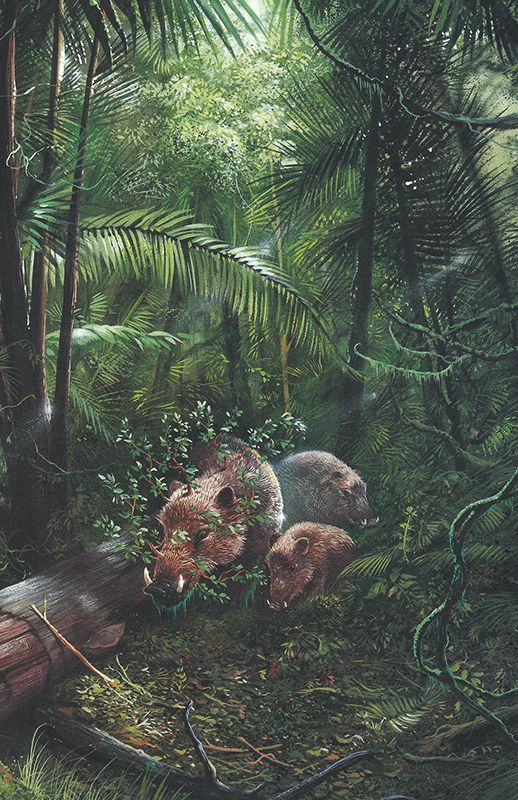
This last round had myths where people crossed over into the wilderness. First I told the myth of the Boongurunguru, Umaroa's mythical boar, from the Solomon Islands (one of my favorite mythical creatures!). Next, Stenszky Cecília told a Khanty story about a woman who died in the woods and was reborn as a bear, raised by a bear family.
Voting question: What would you rather plant in your garden, Knathy pines of ferns growing on the back of the Boongurunguru?
Winner: Solomon Islands

The tellers of the winning myths received coffee cups painted with mythical creatures (courtesy of Enikő) - the fourth mug was raffled off to the audience. The evening went great, and we are already preparing for the next one: telling love myths for Valentine's Day!

Saturday, October 19, 2019

Tales in the Cathedral: Storytelling in Aachen

I already blogged about this year's FEST conference, but I still owed a report from the amazing storytelling event that followed after. I always love it when a gathering of international storytellers is followed by a festival, and this time Regina Sommer and the Haus der Märchen und Geschichten organized a truly special treat: We told stories inside the Aachen Cathedral at night!

We visited the cathedral during the conference that was organized by three different countries. It was my first time seeing it in person, and I was absolutely stunned by how beautiful it is. When we returned for the storytelling event (after a very friendly dinner), I could barely believe that this was going to be our venue for the night. We got a chapel for a green room (best green room ever, see the photo on the right), and they even opened the sacristy for us so that we could use the bathroom... (talk about being behind the scenes). The pre-event mood was cheerful, friendly, and filled with awe, underscored with Davide Bardi tuning his guitar in the chapel.


We were in excellent hands to help us explore: A group of young guides, trained by art historian Wirtz Ágnes (incidentally also the founder of the Világszép Foundation, the NGO I work for) when they were children, returned for the evening to offer special tours to visitors, telling us about the history and secrets of the cathedral. We got to see Charlemagne's throne built from stone slabs brought from Jerusalem, and also his golden sarcophagus. While we were on stage, the latter was visible behind us, and if we looked up over the audience, we could see the empty throne facing us from the first floor gallery. It was thrilling to imagine that someone that famous was listening to our stories... along with about three hundred people in the audience, who filled up all the seats. We had a full house... or rather, a full cathedral.

Storytellers were invited to represent carious cultures and traditions that had a connection to Charlemagne, the cathedral, the school he founded there, and the Carolingian renaissance era. For example, I was there because the cathedral has a Hungarian chapel, built in the 14th century; it has been an important place of pilgrimage ever since. Everyone told one story, and in-between performances we got to hear enchanting organ and saxophone music that filled the entire space, and transported us through time and space. The story I brought was a Hungarian legend from the time of the Mongolian invasion - it tells about how refugees were helped across the Danube by Fairy Queen Tündér Ilona, and the magician Göncöl táltos, who gave up their own powers for 777 years for them. This story holds a special significance this year, because the Mongolian invasion ended 777 years ago. I could hear the audience gasp when I told them that. It was an unforgettable moment. I was a little worried before for bringing such a pagan story into a cathedral, but since the event was opened by George Macpherson doing an ancient Celtic invocation, we both agreed that we would be fine. The Dom handled our stories well.

The other performances were all captivating, and although I could not follow the ones in German very well, I still enjoyed them. Davide Bardi and Paola Balbi brought us their incredible telling of Jesus' death and return from the points of view of Mary Magdalene and Peter. Michaela Sauber told us about Parsifal, Nuala Hayes brought us the Children of Lir, Gidon Horowitz the legend of the first temple in Jerusalem, Sam Cannarozzi legends of alchemy, Raymond den Boestert a tale of Till Uilenspiegel, and Abbi Patrix a creation myth from Africa about the spirit of creativity. Wirtz Ágnes and the young guides told us a story about Aachen together.

The whole evening was an amazing experience that connected people across time, space, and cultures, and I was incredibly honored to be a part of it. I wondered if the people building the Hungarian chapel centuries ago would have ever thought one day a Hungarian storyteller would visit, and talk about magicians and fairies under the arches...

Saturday, August 3, 2019

MythOff Budapest: Living Planet


This Wednesday we had the ninth MythOff event in Budapest - for the second time in our wonderful new venue, the Premier Kultcafé. The theme, courtesy of Bumberák Maja, was Living Planet - we told myths about the relationship between humans and nature, which held important relevance to current world events. Despite it being the middle of summer, we had a great audience and a full house of more than ninety people! The emcee was Nagy Enikő, who did a wonderful job. She did not only print us voting forms in advance, but also sewed cloth baggies as prizes for Plastic-Free July, and even made sure we raffled one off to the audience.

This is how things went down:

Round one: Sacred plants

Hajós Erika told the Greek myth of King Erysichthon, who cut down Demeter's sacred grove, and the goddess punished him with eternal hunger. Eventually, the king devoured himself. Klitsie-Szabad Boglárka, told another Greek myth, that of Daphne and Apollo. Erika's telling was dramatic, while Bogi's was humorous, and the two went great together.
Voting question: Which tree would you plant in your garden, oak or laurel?
The winner: Laurel!

Round two: Sea and animals

I began this round with a story from Oceania about how the women saved Guam from a giant fish sent by the angered spirits of nature (I love this one a lot, especially because women use their hair to weave a net together). My partner Bumberák Maja told the Inuit myth of Sedna, Mother of the Sea, whose hair gets dirty and matter, and traps sea animals until someone combs them out.
Voting question: Whose hair would you rather comb, your own (heroically cut), or Sedna's?
The winner: Sedna!

Round three: Fertile land

This round focused on life, renewal, and fertility. Stenszky Cecília told us about Ishtar, goddess off fertility descending into the Underworld (she, just as Maja, used a drum for telling). Gregus László told a Tahiti myth about the God of the Sea destroying all land to punish over-eager fishermen - all land except one island where his mortal lover lived.
Voting question: With whom would you rather go out for a coffee, Ishtar or the Tahitian princess?
The winner: Ishtar!

All three votes were close, which means that we all brought good stories to the performance. Sine counting ninety-something (!) votes took a bit of time, we told some more stories in the meantime - I told about Saint Peter and global warming, and Maja told about Saint Peter and rainfall.

It was, once again, an amazing experience to tell together, and have such an enthusiastic and dedicated audience. I'm looking forward to the next occasion! For more info, follow MythOff on Facebook!

Sunday, July 7, 2019

Medusa in the backpack, and other stories about teens and role-playing games

Almost exactly a year ago, a high school invited me to their ESL summer camp for teens. I visited with my friend Danielle Bellone, we told some stories in English, and since we had a free afternoon, I decided to introduce the kids to role-playing games. Several hours and three dungeon crawls later, they were hooked. This year the organizers invited me back, by popular demand, to run some more role-playing adventures.
I love my job.

Buy it here
There were 26 teens at the camp, so we divided them into 5 and 6 person groups, and I got a three-hour session with each. Since this time I was DMing alone, I decided to bring some adventures that are perfect for beginners and also make good stories: The first volume of the Uncaged Anthology came out earlier this year, and is quickly gaining much deserved popularity. It turns old Dungeons & Dragons tropes inside out, giving voice to classic monsters, and making players reevaluate their beliefs and convictions. It's an awesome collection of short adventures, I highly recommend it!
I brought pre-made character sheets the players could pick from; my own party helped me by rolling up eight first level characters. We covered the basics (Human Cleric, Wood Elf Ranger, Half-Elf Sorcerer, Elf Rogue, Minotaur Fighter, Half-Orc Barbarian, Halfling Bard, Dragonborn Paladin). Each group selected their characters a little differently, which made for good diversity. I also brought gift D20s for everyone, so that they could continue playing on their own if they wanted.

Here are the highlights:
(SPOILERS! Also, long post, scroll to the end for TL;DR)

Team One (5 girls, all beginners both in English and in RPGs). We played From the Forest They Fled by Alison Huang. In this adventure, the party gets hired to find out why animals have been fleeing a forest. They fight some plant creatures, and eventually encounter a Dryad who is setting fire to the trees. Turns out the forest should burn down every decade or so to help new seeds germinate, but people have been controlling the forest fires, so the trees asked the Dryad for help. The party had to come up with a solution that would work both for the forest and for the people living in it. After some discussion, they decided to convince all 150 villagers to move somewhere else, promising to take care of them - and the adventure suddenly turned into a refugee saga. They were sent away from various towns and villages, until I decided to link up with another adventure, and had them arrive to Canticle Bay, from Cry of the Sea by Alicia Furness. Here, they made a deal with the mayor, who promised to take care of the refugees in exchange for the party's help. The girls worked out a second compromise between the Sirens of the bay and the human fishermen - they designated sea sanctuaries, and convinced the Sirens to teach the humans sustainable fishing methods. It was a beautiful and diplomatic solution, and I was very proud of the players.

Team Two (6 guys). We played Maid from Waterdeep by Bianca Bickford. A mute girl hired the party to look for a missing woman. She couldn't write (in my version of the adventure, anyway), so we spent some time vigorously playing charades until the party got the full story from her, which was a lot of fun. She turned out to be a former mermaid, who rescued a female Bard from a sinking ship. A rich man, who was also on the ship, got angry at her for not rescuing him first, and kidnapped the Bard in revenge. The party went looking for him, chased a servant of his across the roofs of the city, and eventually found the house where he was holed up. Fighting their way though skeletons, zombies, and a Cloaker (when in doubt, add a Cloaker), they had some amazing moments of teamwork, and defeated the rich man / witch man in a heroic fight. The crowning moment of said fight was the Storm Cleric riding on the shoulders of the Minotaur Fighter, yelling "yee-haw" and shooting crossbow bolts (until he got smacked in the face by the door frame, but still). Teamwork won the day.

Team Three (5 guys). They were the most prepared and the most experienced of them all. They had been playing regularly since last year, they knew the lingo, and they were more than ready to clear some dungeons, kill some monsters, and grab some loot. I picked Lost Gods by Natalie Wallace for them, because that adventure starts out as a classic dungeon crawl - and then takes an unexpected turn. The party is hired by a slowly dying city to find their disappeared goddess. They descend into a cave system looking for her, and encounter all kinds of ghosts and specters. The party methodically worked their way through the dungeon, investigating every room, killing every monster, collecting all the loot. Before the last room, where they though the boss monster might be, they took a rest, sharpened their weapons, prepared their spells - they were all locked and loaded for an epic boss fight. Except, when they walked in... a Medusa looked at them from a mirror, and said "Don't come in, I don't want to hurt you!" There was an awesome moment of stunned silence, as gears turned in the players' heads. "Wait, what?" After some hesitation, they began talking to the monster, who told them her story, how she had been turned into a monster by a cruel god, and how she just wants to find a home where she can't hurt people, but she can't sneak out of the city alone.
The party, surprised that they had to plan a prison break instead of a boss fight, eventually decided that they would help her. The brainstorming session that followed was as epic as any fight, until they settled on a plan: the Bard and the Sorcerer went back to the people of the city, and told them that he goddess had sent a message, and wants them to celebrate. Then they threw an epic concert on the main square, drawing all the attention while the rest of the party sneaked out of the city with the Medusa, and went to find her a safe, quiet cave up in the mountains. The next day the Bard and the Sorcerer told the people that their goddess wants them to move to a better place, and pointed them to some more fertile lands. Away from the mountains.
I loved this adventure because it made the players reevaluate their mentality about what a role-playing adventure can be. They were surprised at first that the monster wasn't evil, but once they got over that, they did some stellar teamwork and planning, and made mutually beneficial and very emphatic decisions. They showed compassion and creativity, and it was beautiful to DM them through that.

Pic from here
Team Four (5 girls). Cheerful, talkative, excited group of players. I decided on From the Forest again, because I wanted to see if there would be any difference between two girl teams in terms of solutions and outcomes. There was! They were taken by surprise by the first forest fight, but after that they immediately started brainstorming about how they could capture a creature instead of killing it, or even make friends with one. Since I am a big supporter of non-violent solutions and the Rule of Cool, I allowed them some rolls, and they successfully befriended two Vine Blights along the way. Next followed some charades, in which they gathered information from the non-verbal plant creatures, and found out about the Dryad. They even had a working theory, they thought the Dryad was trying to take over the forest for her monsters, and planned to offer her a nature reserve where she could keep them, Jurassic World style. When they actually met the Dryad (all prepared to negotiate), and found out the truth about the trees, they put their minds to coming up with another solution. The result was pretty spectacular: They negotiated a deal between the Dryad and the people, in which the humans were allowed to cut down enough trees around their village to protect themselves from the fire (promising they would replant, and also leave the Ash Gums alone), and sell the wood so they could have money until the forest regenerates. In return, they promised not to stop the forest fires. It was an elaborate and well thought out deal, and I was very proud of the girls.

Team Five (5 guys, 1 girl). Saved the most chaotic one for last :) They had been waiting all week to get their turn, and jumped in with both feet, picking their characters and preparing for great adventures. I picked Lost Gods, because it worked so well with the previous enthusiastic party. Once again, the differences between two groups of players were both significant and kind of awesome. This party got a little bit more lost in the dungeon, but they did manage to kill off all the ghosts and monsters they encountered. They were also taken aback by the Medusa's confession and friendly nature, but after some consideration, they, too, decided to help her - in their own special way. They stuffed the Medusa in a giant backpack, and had the Minotaur member of the party simply carry her out of the cave. When they encountered the people of the city, they claimed that they did not find the goddess, but they would keep looking - and which point the grateful civilians invited them for dinner. So, Medusa in the backpack, they went and had a nice dinner at the mayor's house... then they waited until everyone was asleep, looted the mayor's office, and sneaked out of the place. Sadly, they Stealth was not exactly the best, so they woke half the city up before they made it to the city wall. In a moment of desperation, the Minotaur threw the bag up on the wall, followed by the (disgruntled) Elf Ranger, and then the party bluffed their way through the crowd, telling the civilians that the Ranger had betrayed them and looted the mayor, and they were going to go catch him. Long story short, they all made it out of the city, went to find a cave for Medusa, cleared it of monsters, and helped her move in.
It was not the most convenient of all solutions, and the party was definitely bringing the Chaotic, but it was, honestly, tons of fun. And some good teamwork.

TL;DR: Conclusions
People still tend to believe that role-playing is some weird, nerdy hobby played by weird, nerdy people (or, you know, Satanists). They are wrong. Tabletop role-playing is essentially communal storytelling which inspires people to work together, create stories, and have lots of fun. In addition, this camp was for ESL students (several of whom were beginners), so I got to watch them speak English enthusiastically, learn new expressions, and forget that they were learning a language while also fighting monsters. All of their solutions were genius, creative, and emphatic, and they instinctively found compromises and mutually beneficial arrangements between people of different backgrounds. Not a single one of the five parties resorted to violence instead of diplomacy. They played well, had fun, and as a DM, I enjoyed the whole experience immensely. I am proud of my players, and I hope I will get to meet them again next year!